
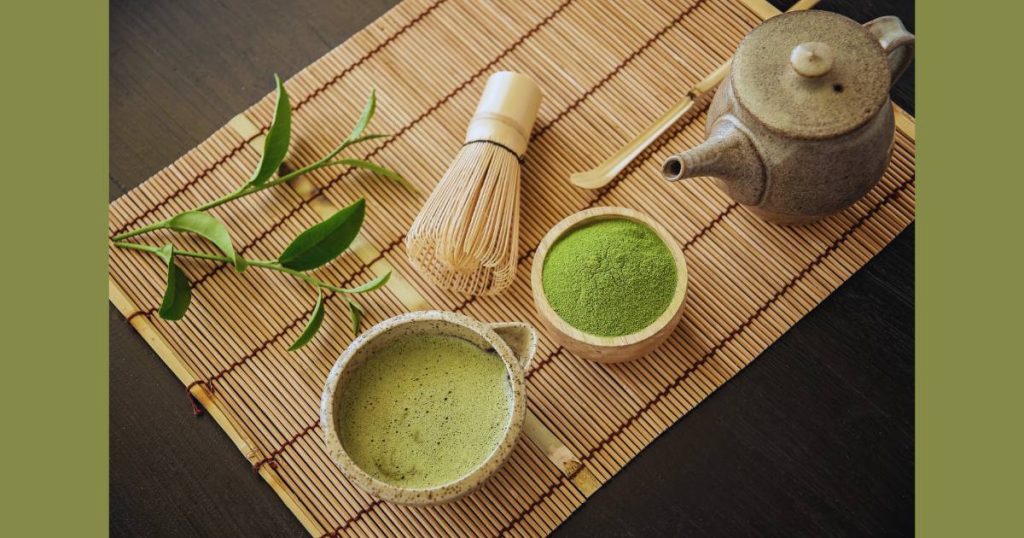
Matcha tea is a unique form of powdered green tea rich in antioxidants. It offers numerous health benefits including improved metabolism.
Matcha tea has rapidly become a favorite amongst tea connoisseurs and health enthusiasts alike. Originating from Japan, this vibrant green powder is celebrated for its nutritional profile, containing high levels of catechins, a type of antioxidants with potent health-promoting properties.
Drinking matcha is believed to enhance mental clarity, increase energy levels, and aid in detoxification. Unlike regular green tea, matcha involves consuming the whole tea leaf, which maximizes the intake of beneficial compounds. Its preparation, which requires whisking the powder with hot water, creates a frothy beverage that’s both a culinary delight and a wellness staple. Embracing matcha tea not only contributes to a mindful lifestyle but also taps into ancient traditions of holistic well-being.
What Is Matcha Tea?
Matcha tea is a finely ground powder of specially grown and processed green tea leaves, renowned for its vivid green color and rich, umami taste. Traditionally associated with Japanese tea ceremonies, it has gained widespread popularity for its unique flavor and potential health benefits. As you delve deeper, discover why this vibrant tea has captivated the hearts of many around the globe.
Origins And History
The origins of matcha can be traced back to ancient China during the Tang Dynasty. It was later brought to Japan by monks who incorporated it into their meditation practices, appreciating matcha’s ability to induce a calm alertness. Gradually, matcha became an integral part of Japanese culture and it is now interwoven with the art of the traditional tea ceremony known as Chanoyu or Sado.
Processing Steps From Leaf To Powder
Transforming green tea leaves into the fine matcha powder involves several meticulous steps:
- Shade Growing: About 20-30 days before harvest, the tea plants are covered to reduce sunlight, which boosts chlorophyll levels and enhances the vibrant green color.
- Hand Picking: Select leaves are handpicked with care to ensure only the highest quality.
- Steaming: The leaves are then steamed to halt fermentation, preserving color and nutrients.
- Drying and Aging: Leaves are carefully dried and may be aged to enhance the flavor.
- Grinding: Finally, the leaves are ground into a fine powder using stone mills, a process that can take up to an hour to produce just 30 grams of matcha.
Traditional Vs. Modern Consumption
Traditionally, matcha is whisked with hot water to form a frothy drink that fully embodies the tea’s delicate nuances. Mastery of the traditional preparation is an art in itself, reflected in the ceremonial practices of Japan. Nowadays, matcha has transcended these traditions, finding its way into modern drinks and culinary delights. From matcha lattes to smoothies, and even in desserts like cakes and ice creams, its rich flavor and color make it a versatile ingredient appealing to a wide audience.
Matcha Tea Profile: Key Compounds
Matcha tea, a traditional Japanese beverage, has gained worldwide popularity not only for its unique flavor but also for its impressive nutritional profile. Delving into the science behind matcha reveals a treasure trove of bioactive compounds that contribute to its health benefits. This section focuses on the key compounds found in matcha, shedding light on the specific elements that make matcha a superfood. Understanding these compounds helps explain why matcha has been associated with numerous health benefits, ranging from improved brain function to enhanced weight loss.
Catechins And Their Types
Catechins are a type of natural phenol and antioxidant, and they form a major part of matcha’s nutritional essence. Here are the predominant catechins found in matcha:
- Epigallocatechin gallate (EGCG) – the most abundant and researched catechin
- Epicatechin (EC) – known for its antioxidant properties
- Epicatechin gallate (ECG) – combines antioxidant benefits with other therapeutic effects
- Epigallocatechin (EGC) – known to offer protective effects on the cardiovascular system
Significance Of Epigallocatechin Gallate (EGCG)
Among the catechins in matcha, epigallocatechin gallate (EGCG) stands out for its potent health-promoting properties. It is renowned for its powerful antioxidant capability, which exceeds that of vitamins C and E. EGCG is studied extensively for its role in:
- Neutralizing harmful free radicals
- Supporting a healthy metabolism
- Enhancing brain health
- Promoting cardiovascular wellness
- Defending against various types of cancer
Matcha’s high concentration of EGCG contributes significantly to its reputation as a superfood and makes it a valuable addition to a balanced diet.
Vitamins And Minerals Present In Matcha
Matcha is also a rich source of vitamins and minerals, which are crucial for maintaining overall health. The table below lists some of the key vitamins and minerals found in matcha:
| Vitamin/Mineral | Benefit |
|---|---|
| Vitamin A | Supports vision and immune function |
| Vitamin C | Antioxidant and aids in skin health |
| Vitamin E | Contributes to antioxidant activity and heart health |
| Potassium | Essential for heart and muscle function |
| Calcium | Important for bone health |
| Iron | Crucial for oxygen transport and energy production |
| Magnesium | Involved in over 300 biochemical reactions in the body |
With its unique combination of vitamins and minerals, matcha not only energizes the body but also fortifies it against a range of health issues. The synergy of these compounds in matcha maximizes its health benefits and cements its status as a nutritional powerhouse.
Scientific Studies On Matcha Antioxidants
The remarkable rise of Matcha tea in the wellness domain is anchored not just by a centuries-old tradition but also by contemporary scientific validation. Matcha Antioxidants have lined the focal point of numerous studies, highlighting their potent effects on health. Grasping the science behind Matcha’s antioxidant properties brings into perspective how this vibrant green powder surpasses others in its cohort, and more importantly, what implications these findings hold for our overall well-being.
Overview Of Major Research Findings
Studying the components of Matcha tea reveals a spectrum of bioactive compounds. Among them, epigallocatechin gallate (EGCG) stands out for its extensive study and notable health-promoting attributes. Research indicates that EGCG is an incredibly potent antioxidant, effectively scavenging harmful free radicals to protect the body’s cells from oxidative stress.
- Elevated antioxidant activity: Matcha boasts higher levels of ORAC (Oxygen Radical Absorbance Capacity) when compared with other superfoods.
- Neuroprotective roles: Studies suggest Matcha’s catechins can potentially safeguard against neurodegenerative diseases.
- Metabolic benefits: Regular consumption of Matcha has been linked to improved metabolism and fat oxidation.
Comparison With Other Teas And Antioxidants
In the diverse landscape of teas and antioxidants, Matcha distinguishes itself with its uniquely high concentration of catechins. When matched against other teas, Matcha doesn’t just edge ahead; it leaps forward.
| Tea Type | Antioxidant Level | EGCG content |
|---|---|---|
| Matcha | High | 137 times greater than traditional green tea |
| Green Tea | Moderate | Lower EGCG levels due to processing |
| Black Tea | Mild | Significantly lower due to fermentation |
These comparisons rest on the notion of Matcha’s whole-leaf intake, which ensures that consumers reap the maximum antioxidant benefits.
Health Implications Of EGCG And Other Catechins
Within Matcha’s green depths, EGCG emerges as a superhero of sorts. This catechin’s portfolio of health benefits is impressive and widely documented:
- Cancer-fighting potential: EGCG may interfere with cancer cell growth.
- Cardiac health: It has been shown to improve cholesterol profiles and support heart health.
- Weight management: EGCG accelerates fat burn, aiding in weight control.
What’s compelling is the synergy between EGCG and other catechins present in Matcha. Together, they form a dynamic network that bolsters antioxidant defense and promotes a harmony of health benefits.
Incorporating Matcha In A Healthy Diet
The allure of Matcha tea extends beyond its vibrant green hue and traditional Japanese origins. Its nutrient profile, rich in antioxidants, has garnered attention, placing Matcha at the forefront of health-conscious diets. By integrating Matcha into your daily routine, you can tap into a myriad of wellness benefits, ranging from enhanced focus to increased metabolism. Let’s explore the smartest ways to incorporate this superfood into your diet.
Recommendations For Daily Matcha Intake
While Matcha is laden with health advantages, moderation is key to maximizing its potential. Experts typically suggest consuming 1-2 servings per day. Each serving consists of about 1 gram or half a teaspoon of Matcha powder. This recommendation balances the intake of its caffeine content and potent catechins.
- Start with one cup in the morning to invigorate your day.
- Consider a second cup in the early afternoon for a gentle, sustained energy boost.
- Avoid consuming Matcha late in the evening to minimize any impact on sleep quality due to its natural caffeine content.
Matcha Tea Recipes – Beyond Just A Beverage
Matcha’s versatility shines not only in a teacup but also in various culinary creations. Here are some quick and delightful ways to enjoy Matcha:
| Recipe | Description |
|---|---|
| Matcha Smoothies | Blend it with fruits, milk or a milk alternative, and a touch of honey for a rejuvenating smoothie. |
| Matcha Energy Balls | Combine oats, nut butter, honey, and Matcha powder, then roll into bite-sized balls for a quick snack. |
| Matcha Infused Oatmeal | Stir it into your morning oatmeal for an antioxidant boost to start your day. |
Precautions And Optimal Consumption Practices
To ensure the most beneficial experience with Matcha, adhere to the following guidelines:
- Select high-quality, ceremonial-grade Matcha to avoid contaminants and ensure purity.
- Be mindful of any added sugars when opting for premixed or ready-to-drink Matcha products.
- Consult with your healthcare provider if you’re sensitive to caffeine or have concerns about Matcha interacting with medication.
- Store Matcha in a cool, dark place to preserve its antioxidant properties.
Discovering Matcha Tea’s Potential Benefits
The quest to understand the array of health benefits that Matcha Tea offers has captivated the attention of scientists and health enthusiasts alike. Known not just for its vibrant hue and traditional Japanese origins, Matcha Tea is a nutritional powerhouse brimming with antioxidants, offering more than just a calming cup of tea. As research delves deeper into its potential, Matcha Tea emerges as a superfood, with studies hinting at its various health benefits. Here, we explore the compelling scientific landscape surrounding this remarkable tea.
Ongoing Studies And Potential Breakthroughs
Science continues to unearth the secrets of Matcha Tea with an array of ongoing studies. Clinical research is keenly observing Matcha’s compounds and their interactions within the body. Here’s a snapshot of the most promising potential breakthroughs:
- Antioxidant Power: Packed with catechins like EGCG, Matcha is being studied for its role in combating oxidative stress and reducing inflammation.
- Brain Function: Research suggests Matcha may boost cognitive function and memory, thanks to its L-theanine content and its effect on neurotransmitter activity.
- Metabolic Boost: Matcha’s potential to enhance metabolism and fat burning is being examined, which could have implications for weight management and obesity prevention.
The Role Of Matcha In Preventative Health
Matcha Tea isn’t just a part of cultural ceremonies but is gaining recognition for its role in preventative health. As an immune booster and a natural detoxifier, Matcha contains high levels of catechins, which may help in:
- Reducing the risk of chronic diseases by counteracting the harmful effects of free radicals in the body.
- Protecting against certain types of cancers through the anti-carcinogenic properties of its antioxidants.
- Improving heart health by potentially lowering bad cholesterol levels and stabilizing blood pressure.
Global Trends And Matcha’s Increasing Popularity
Matcha Tea is taking the world by storm, and its increasing popularity reflects a broader shift in global health and wellness trends. Consumers, now more than ever, seek natural and functional foods that offer additional health benefits beyond basic nutrition. Matcha’s journey from traditional tea ceremonies to mainstream markets includes:
| Year | Trend | Popularity Index |
|---|---|---|
| 2015 | Emerging Superfood | Low |
| 2018 | Wellness Ingredient | Moderate |
| 2021 | Dietary Staple in Health Circles | High |
| 2023 | Global Phenomenon | Very High |
Witnessing unprecedented growth in the functional beverages sector, Matcha’s trend trajectory only promises to steep higher. Wellness-driven consumers have catapulted Matcha Tea into a lifestyle choice, making its mark on everything from health drinks to innovative culinary creations.
Frequently Asked Questions On Matcha Tea Science
Are Matcha Benefits Proven?
Yes, matcha benefits are supported by research. Studies indicate matcha can improve focus, boost metabolism, and provide high antioxidant levels.
Do Doctors Recommend Matcha?
Many doctors recognize matcha as a beneficial antioxidant-rich tea, often recommending it for its potential health benefits.
Why Is Matcha So Powerful?
Matcha is powerful because it is packed with antioxidants, specifically catechins, that boost metabolism and enhance brain function. Its high chlorophyll content also aids in detoxification.
How Does Matcha Affect The Brain?
Matcha enhances brain function due to its high L-theanine and caffeine content, improving focus, alertness, and memory.
Conclusion
Embracing matcha means more than enjoying a trendy beverage; it’s a step towards a healthier lifestyle. Our journey through the science behind matcha tea reveals its impressive benefits, from boosted metabolism to enhanced mental clarity. It’s clear why this vibrant green powder has transcended centuries of tradition to become a modern-day superfood.
Discover the matcha difference—sip by sip, it’s wellness in a cup.